10 Hand Signals to Train Your Deaf Dog (A Complete Training Guide)
Many people are surprised to learn that deaf dogs can be trained just as successfully as hearing dogs. In fact, dogs naturally rely on visual cues and body language, which makes hand signal training extremely effective.
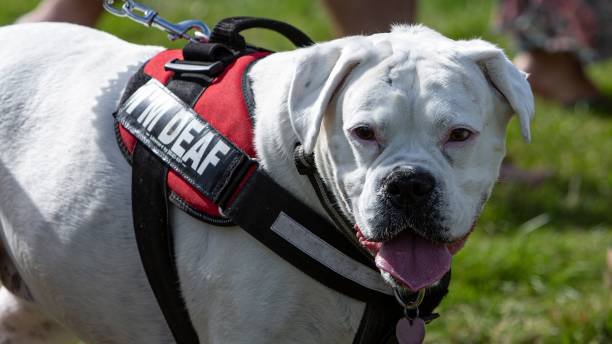
As someone passionate about communication and awareness in the Deaf community, I believe it’s important to help people understand that deaf dogs are capable, intelligent, and eager to learn. With patience and consistent signals, they can thrive and build strong bonds with their owners.
If you want a deeper guide to visual communication and life with deaf dogs, the book Living With a Deaf Dog: A Practical and Emotional Guide to Communication, Training, and Building a Happy Life Together is an excellent resource for owners (https://amzn.to/4unyhf2 ).
Why Hand Signals Work So Well for Deaf Dogs
Dogs are highly visual animals. Even hearing dogs often respond more quickly to hand signals than verbal commands.
For deaf dogs, visual cues replace spoken commands and become their primary way of understanding instructions.
Training works best when you:
Use clear and consistent gestures
Pair signals with positive reinforcement
Practice regularly
Maintain eye contact and attention
Some owners also use training tools, such as the Recordable Dog Buttons 6 Colour Talking Pet Training Set, which help pets associate recorded messages with actions (https://amzn.to/3NuCSeR).
10 Essential Hand Signals to Train Your Deaf Dog
These signals form the foundation of most training routines for deaf dogs.
1. Sit
Hand signal:
Raise your hand with the palm facing upward, then gently lift it upward.
Dogs often follow the movement naturally and sit as they look up.
Tip: Reward immediately when the dog sits to reinforce the connection.
2. Stay
Hand signal:
Hold your palm facing the dog like a stop sign.
This signal clearly communicates that the dog should remain in position.
3. Come
Hand signal:
Extend your arm outward and then bring it toward your chest.
This gesture encourages your dog to move toward you.
4. Down
Hand signal:
Move your hand downward toward the floor with the palm facing down.
This encourages the dog to lie down.
5. Good / Yes
Hand signal:
Use a thumbs-up or quick nod combined with a treat.
This replaces the verbal marker many trainers use.
6. No / Stop
Hand signal:
Shake your index finger side to side.
Keep the motion calm and consistent so the dog recognizes it as a correction cue.
7. Look at Me (Attention Signal)
Hand signal:
Point two fingers toward your eyes.
This signal helps regain your dog’s attention before giving another command.
8. Go to Bed
Hand signal:
Point toward the dog’s bed or designated resting area.
With repetition, dogs quickly associate the gesture with their sleeping spot.
9. Walk / Let’s Go
Hand signal:
Pat your leg or motion forward with your arm.
This gesture tells the dog it’s time to start walking or moving.
10. Free / Release
Hand signal:
Sweep your hand outward in a relaxed motion.
This tells your dog that a command like stay is finished.
Tips for Training Deaf Dogs Successfully
Training deaf dogs requires a few simple adjustments.
1. Use Visual Rewards
Treats, toys, and affection help reinforce desired behaviors.
2. Maintain Eye Contact
Ensure your dog can see your signals clearly.
3. Keep Signals Consistent
Avoid changing gestures once your dog has learned them.
4. Use Gentle Touch or Vibration
To get attention, lightly tap the floor or gently touch your dog.
5. Continue Learning
Guides like Living With a Deaf Dog: A Practical and Emotional Guide to Communication, Training, and Building a Happy Life Together offer detailed training strategies (https://amzn.to/4unyhf2).
Communication Tools That Can Help
Some owners also explore assistive communication tools.
For example, the Recordable Dog Buttons 6 Color Talking Pet Training Set allows owners to record commands and train pets to interact with specific actions (https://amzn.to/3NuCSeR).
These tools can support training routines and provide additional ways for pets to communicate with their owners.
Deaf Dogs Can Live Happy, Meaningful Lives
One of the most important messages I share through my advocacy is this:
Deaf dogs are not limited—they simply communicate differently.
With visual communication, patience, and positive reinforcement, deaf dogs can:
Learn commands
bond deeply with their owners
participate in family activities
live full and happy lives
Education and awareness help ensure that more deaf dogs find loving homes and supportive owners.
Affiliate Disclosure
As an Amazon Associate, I earn from qualifying purchases. This means if you purchase through the links above, I may earn a small commission at no extra cost to you.